
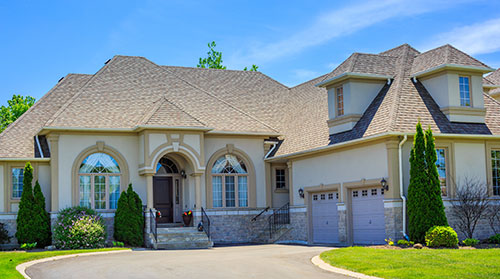
Buying a foreclosure or bank-owned home in Interior Alaska
A foreclosure-related listing can offer possibilities, but the asking price is only one part of the decision. Majors Realty Group helps you identify the sale process, evaluate the property, and coordinate the professionals needed to understand the terms before you commit.
Identify the type of sale first
A bank-owned listing, a HUD-owned home, a short sale, and a trustee or auction sale can follow different procedures. Confirm the seller, who has authority to approve the transaction, the required forms, deposit terms, deadlines, and whether you can inspect before committing. Do not assume the terms of a standard listed-home purchase apply to an auction.
Review condition and winter history
For an Interior Alaska property, ask whether the home has been heated, whether water systems were winterized, and when equipment last operated. Have qualified professionals evaluate heating, plumbing, foundation, roof, moisture, water, and wastewater systems. Arrange permission and responsibility for utility activation and any testing. Do not turn on or alter equipment without authorization.
Understand as-is terms and inspection limits
Read the actual contract and seller addenda. Clarify which inspections are permitted, whether repairs will be considered, and what options remain if an inspection reveals a problem. Ask your lender whether the property’s condition meets its requirements. An appraisal does not replace an independent inspection. HUD encourages prospective buyers of HUD homes to obtain professional inspections.
Compare the full project cost
Include purchase costs, repairs, contractor availability, permits, holding costs, insurance, utilities, and a contingency for unknown work. Obtain written estimates when possible. A low asking price is not proof of a discount once condition and timing are considered. Discuss financing that fits the actual property and repair plan before making an offer.
Title, occupancy, and possession
Ask the title company and your attorney to review the documents and risks appropriate to the sale. Verify liens, access, occupancy, and how and when possession will be delivered. Do not assume the property will be vacant or that every obligation is resolved by the advertised sale process. Use qualified legal advice for auction terms or questions involving occupants.
Planning to renovate and rent?
Confirm permitted use, the work required, realistic local rents, and the time before a unit can be offered. Model vacancy, repairs, ongoing maintenance, insurance, utilities, and management. Treat projected income as an assumption to test, not a substitute for actual operating evidence.
If you are an owner facing payment difficulties
Contact your mortgage servicer promptly to discuss available options and deadlines. The CFPB mortgage resources provide consumer information. A potential sale needs a plan coordinated with your lender and appropriate advisors; do not rely on a promise that someone can automatically stop foreclosure.
Discuss a foreclosure-related property with Majors Realty Group. Share the listing and your intended use so we can help identify the next questions.
Updated September 20, 2026. Sale procedures and rights depend on the specific transaction. Obtain legal and financing advice before committing.
 The listing content relating to real estate for sale on this web site comes in part from the IDX Program of Alaska Multiple Listing Service, Inc. (AK MLS). Real estate listings held by brokerage firms other than #company are marked with either the listing brokerage's logo or the AK MLS logo and information about them includes the name of the listing brokerage. All information is deemed reliable but is not guaranteed and should be independently verified for accuracy.
Listing information was last
The listing content relating to real estate for sale on this web site comes in part from the IDX Program of Alaska Multiple Listing Service, Inc. (AK MLS). Real estate listings held by brokerage firms other than #company are marked with either the listing brokerage's logo or the AK MLS logo and information about them includes the name of the listing brokerage. All information is deemed reliable but is not guaranteed and should be independently verified for accuracy.
Listing information was last
 © 2026 Greater Fairbanks Board of REALTORS ® Multiple Listing Service. All rights reserved. Information deemed to be reliable but not guaranteed. The data relating to real estate for sale on this website comes in part from the Broker Reciprocity Program. Real estate listings held by brokerage firms other than Majors Realty Group are marked with the BR logo and detailed information about them includes the name of the listing brokers. Listing broker has attempted to offer accurate data, but
